For two vectors  and
and  is always true when
A
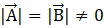
B

C
 and
and  are parallel or anti parallel
 D
None of these
Text Solution
Verified by ExpertsThe correct answer is:
B
No detailed text explanation provided yet.
Prepare Smarter with CGP Edu
Get practice questions, solutions, and test series in one place.
Write a Review
Share your experience with this question and solution.
Commentary
Send your comment, doubt, correction, or feedback to admin.
Similar Questions
Explore conceptually related problems
For two vectors and is always true when
Two particles in the same vertical plane are thrown to strike at same time. One from
ground and oth…
An insect starts climbing a conical birthday hat of radius 5 cm at base. It starts from point
A and…
A ball is thrown from the ground to clear a wall 3 m high. The distance to the wall is 6 m
and it f…
A car runs along a horizontal straight road at a speed of . A person in it observes
the rain hitti…
A bullet is fired from horizontal ground at some angle passes through the point ,
where ' ' is th…